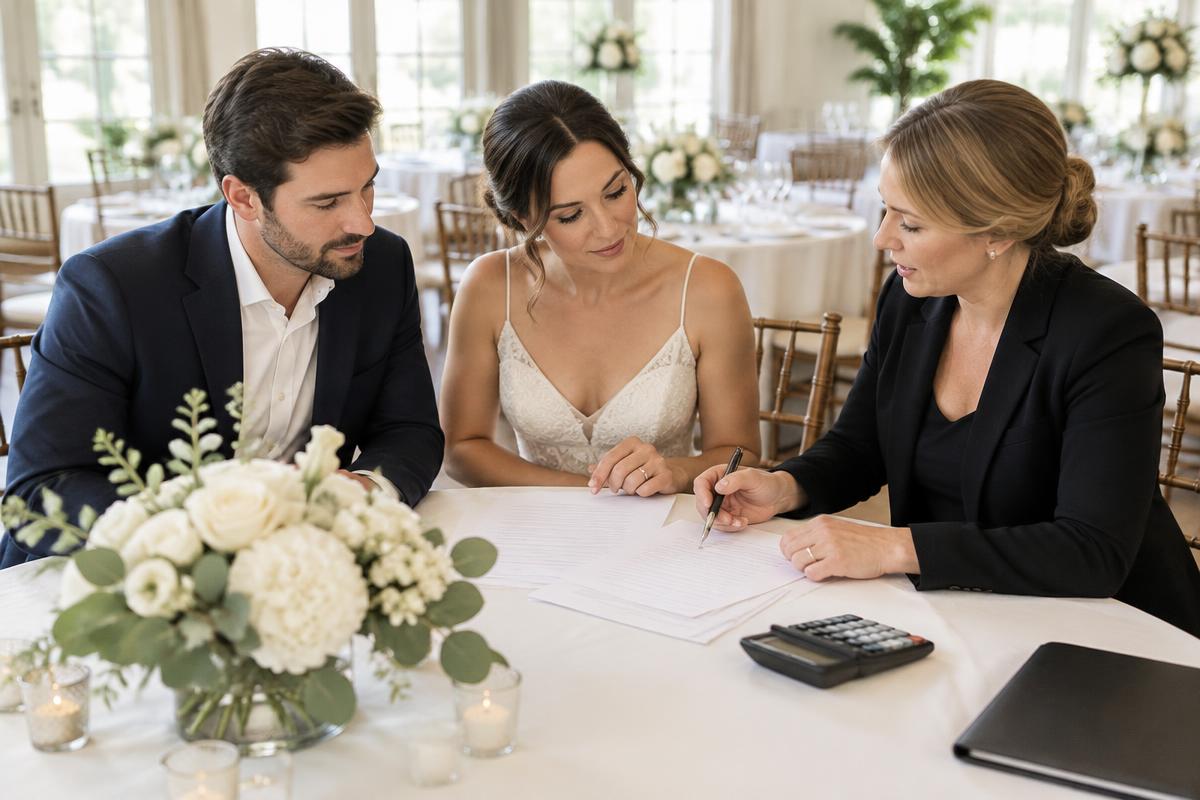
Is Wedding Event Insurance Worth the Cost?
October 8, 2026 · Budgeting
Decide whether wedding event insurance fits your budget. Compare liability and cancellation coverage, deposits at risk, exclusions, and quote questions.
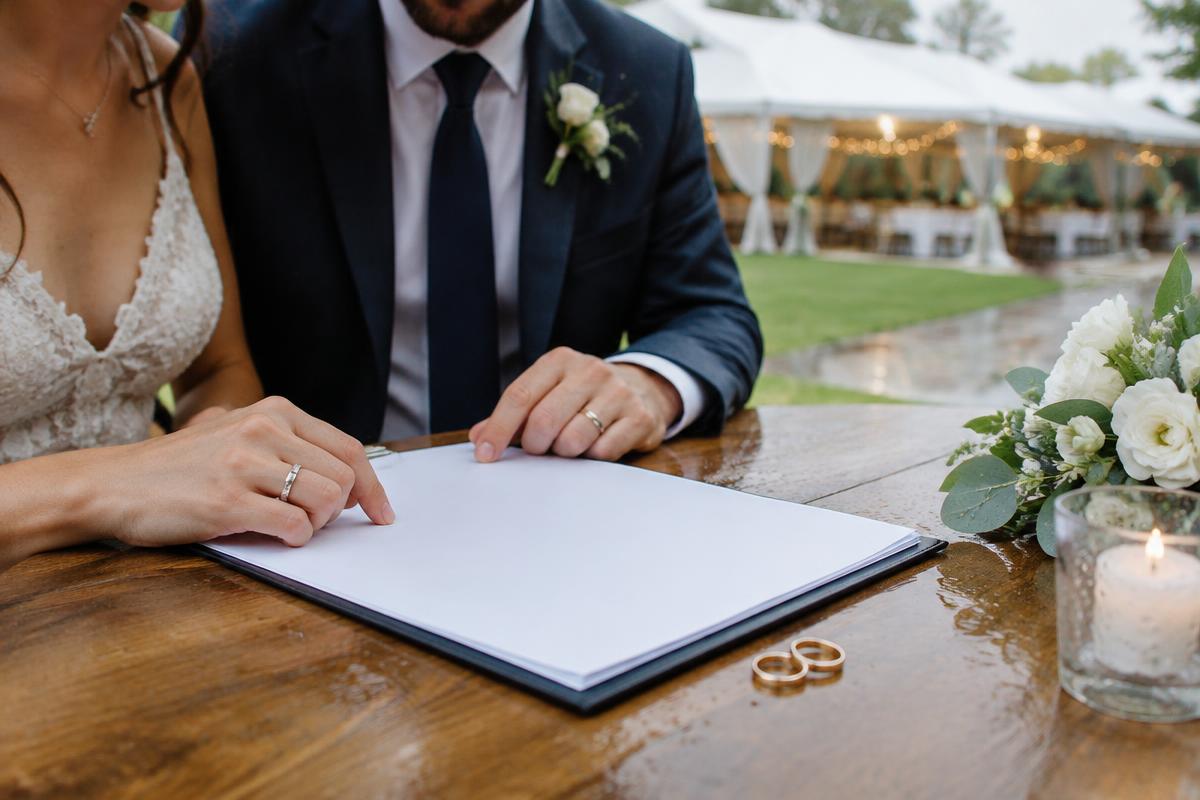
The insurance conversation rarely appears on a wedding mood board. It tends to arrive in a venue email, somewhere between the deposit deadline and a request for a certificate. You are already paying for plenty of things you can see. Paying for something you hope never to use can feel harder.
Is wedding event insurance worth the cost? It may be, especially if your venue requires liability coverage or you have nonrefundable commitments you could not comfortably replace. But the answer depends on the actual policy, not the word “wedding” on its label. Liability coverage and cancellation coverage solve different financial problems.
You do not need to become an insurance specialist. You do need a clear account of what could go wrong, what money is exposed, and what a licensed insurer says it will cover.
Understand the two main coverage questions
Liability: what if someone is hurt or property is damaged?
Event liability insurance addresses covered claims involving injuries or property damage, subject to policy terms. Venues may specify required limits and request that particular entities be listed as additional insureds.
Do not treat a certificate as the entire policy. Ask for the coverage terms and clarify whether the event dates include setup and cleanup. If alcohol will be served, ask specifically about the relevant alcohol-related coverage and exclusions. The caterer's policy and the couple's policy are not automatically interchangeable.
Cancellation or postponement: what if the wedding cannot happen?
Cancellation coverage may reimburse certain covered losses when specified events interrupt your plans. Covered reasons, limits, deductibles, purchase deadlines, and exclusions vary. An unpleasant forecast, a voluntary change of plans, and a covered severe-weather event are not necessarily the same thing.
Ask how a vendor failure, illness, or closure would be assessed. Do not assume all deposits are protected simply because the policy mentions cancellation.
Decide what you are protecting before comparing premiums
Create a schedule of committed payments. Include payment dates, refund terms, and the amount that would remain unrecoverable after any vendor refund. This is different from your total wedding budget: an expense that has not been booked may not yet represent money at risk.
| Commitment | Illustrative paid amount | Refund available in the example | Example amount at risk |
|---|---|---|---|
| Venue deposit | $3,000 | $0 | $3,000 |
| Catering deposit | $1,500 | $500 | $1,000 |
| Photography retainer | $800 | $0 | $800 |
| Rental reservation | $700 | $350 | $350 |
| Total | $6,000 | $850 | $5,150 |
These are invented U.S.-dollar contract figures, not standard deposit terms. Your actual agreements determine the exposure. A policy still needs to cover the cause of the loss; the amount at risk is not an automatic claim payout.
Use the premium as a comparison, not a prediction
Suppose a hypothetical cancellation quote costs $250 and your identified exposure is $5,150. The premium equals about 4.9% of that exposure. This helps describe the purchase, but it does not prove the policy is worthwhile or calculate your chance of a claim.
Read the deductible, sublimits, and covered reasons before deciding. A cheaper policy that excludes your main concern may offer less useful protection than a more expensive suitable one.
Questions to ask before buying wedding insurance
Send the same questions to each provider so you can compare answers fairly:
- What exact event, address, and dates are covered?
- Does coverage extend to rehearsal events or setup days?
- What liability limits does the venue require?
- Which parties must be named as additional insureds?
- How does alcohol service affect coverage?
- Which cancellation reasons are covered and excluded?
- Are there separate limits for vendor deposits, attire, or photographs?
- What documentation must we retain for a claim?
- Are there purchase deadlines or waiting periods?
- Is our destination and every planned activity eligible?
Ask for written explanations of anything important. A salesperson's reassuring sentence should not replace the wording that governs your claim.
Four situations that deserve extra attention
Your venue requires a specific certificate
Get the venue's requirements before buying. An inexpensive policy that fails to meet them can create a second purchase or a delay. Ask the venue to review the certificate while you still have time to correct it.
You are celebrating at a private home
Speak to the homeowner's insurer rather than assuming a residential policy covers a large event, vendors, or alcohol-related claims. Explain the actual plans. Read our backyard wedding cost guide to identify infrastructure and responsibilities that also affect risk.
You are booking far ahead
Check how the insurer treats known circumstances. Insurance is not usually a way to buy protection after a specific problem has already become apparent. Give accurate information and ask about timing.
Your wedding involves travel
Wedding cancellation insurance and travel insurance are different purchases. Flights, medical care abroad, and the wedding itself may fall under different policies. Review gaps rather than paying twice for overlapping coverage while overlooking another risk.
What wedding insurance cannot do
Insurance cannot guarantee a replacement photographer, recreate the same date, or prevent an upsetting interruption. Its role is financial protection for covered circumstances. It also should not make you comfortable signing a contract you do not understand.
Keep contracts, receipts, payment confirmations, and supplier correspondence together. Ask vendors about refunds and backup arrangements regardless of whether you buy insurance. For larger commitments or unclear terms, consider qualified legal or insurance advice.
A calm way to make the decision
First, satisfy any venue requirement. Next, identify the financial loss that would genuinely hurt you. Finally, compare policies that address that concern, with the exclusions open in front of you.
Use the weddingcost.co estimator to reserve an insurance line in your overall plan, then replace the allowance with an actual quote. The right decision should give you clarity, not another reason to worry.
Sources and scope
Experian's wedding insurance explanation distinguishes coverage types and discusses insurer-reported claim patterns. This guide is general planning information, not personalized insurance or legal advice; your policy and jurisdiction control.