Documentary vs Posed Wedding Photography: Which Feels Like You?
October 4, 2026 · Photo & Video
Understand candid and directed wedding photography, then use full galleries and a simple portrait plan to find your balance.
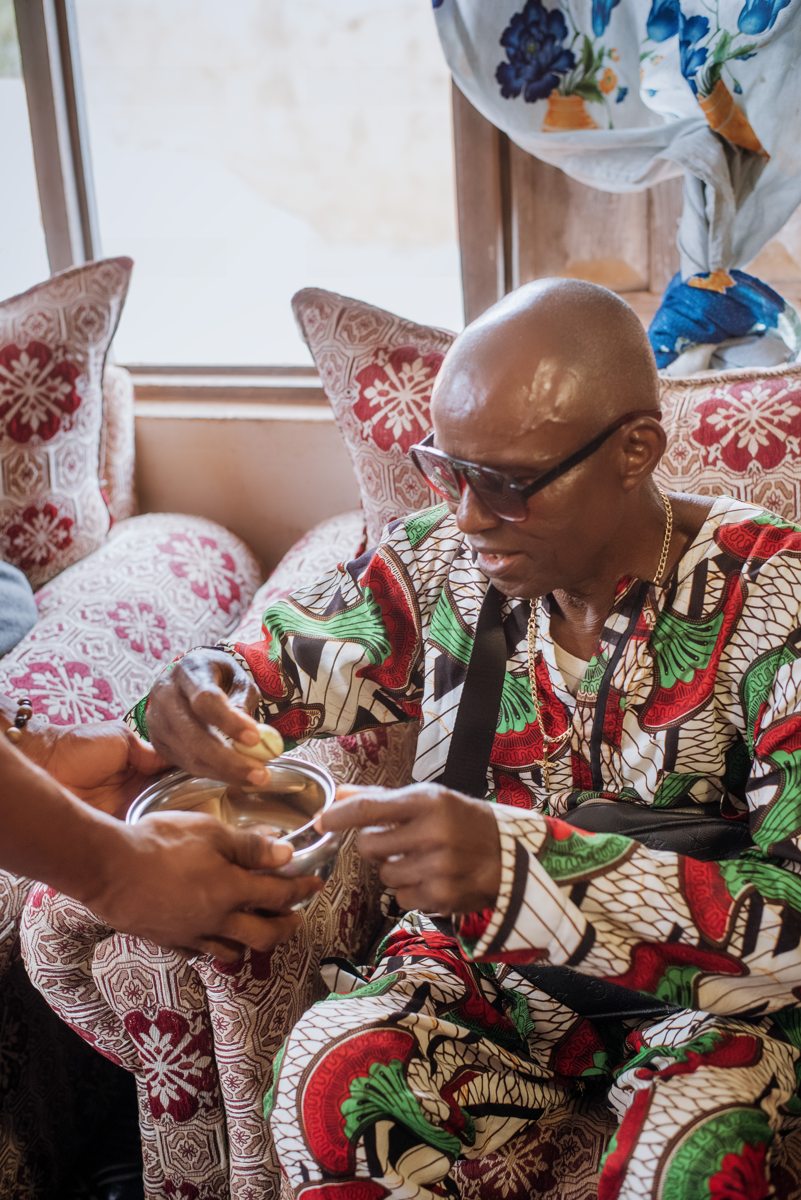
You know the photograph you love: your friend laughing so hard she leans on the table, or your partner making the face they make only when they see you. You might also want one picture where everyone in the family is looking at the camera. Those wishes are not opposites. Documentary and posed photography are tools, not teams you have to join.
What the two approaches actually mean
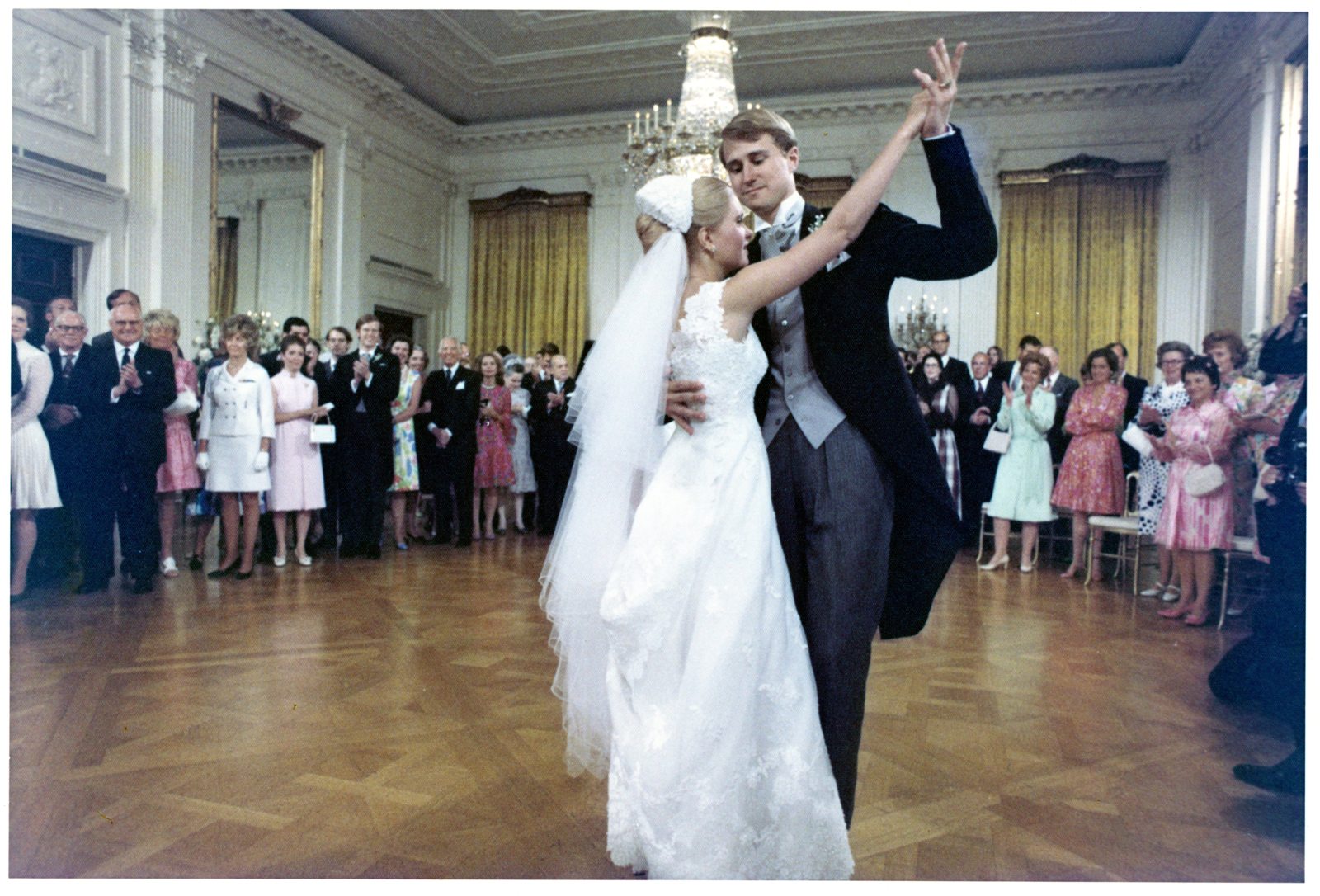
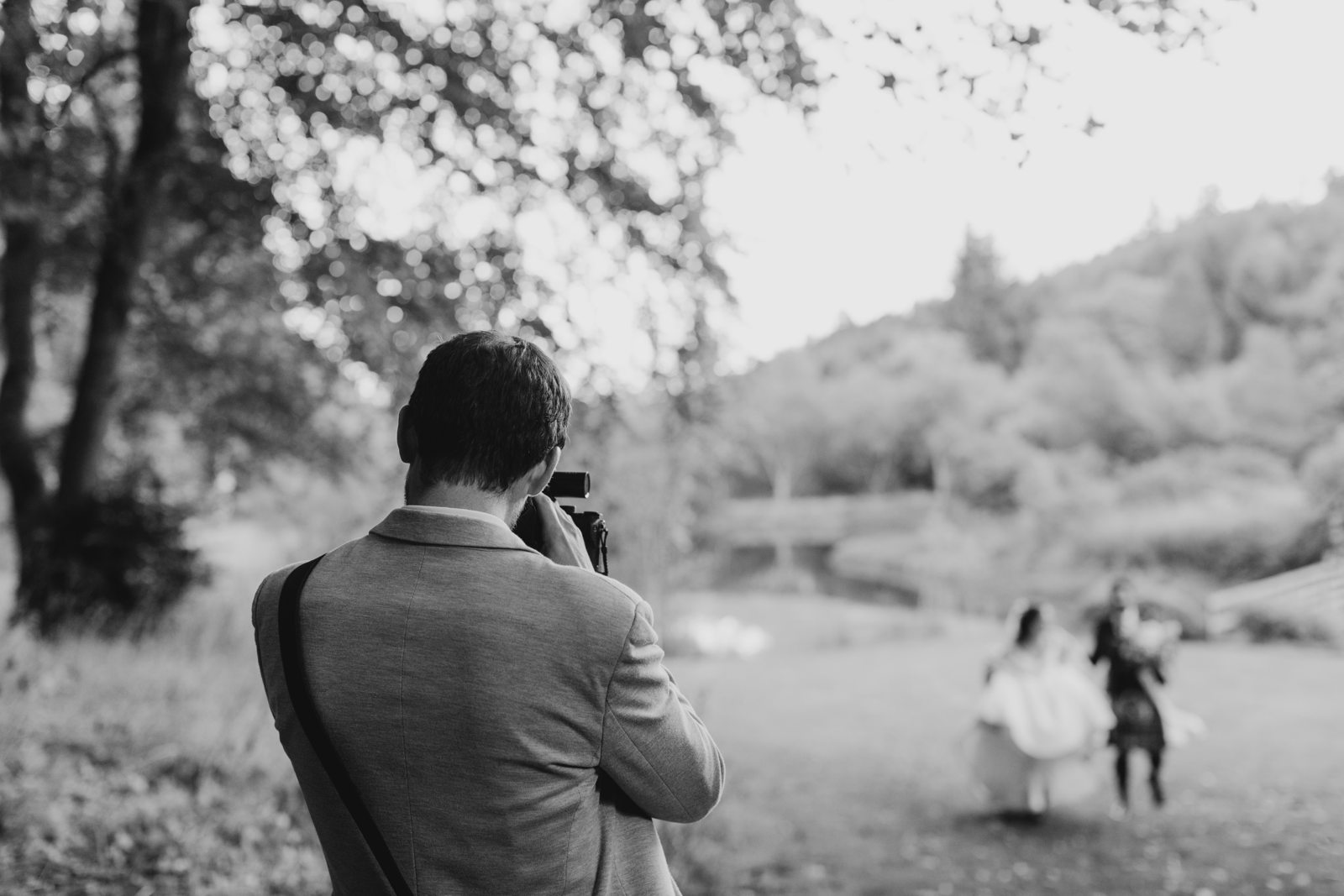
Documentary photography follows what unfolds: the quick hug after a speech, the nervous hands before the ceremony, the dance floor once nobody remembers the camera is there. Traditional posed photography arranges people and light deliberately, especially for family groups and formal portraits. Most wedding photographers do both; the difference is how much direction they give, and when.
If you hate posing, tell your photographer that plainly. They can offer gentle prompts such as walking together or standing in good light without asking you to perform a romance that does not feel like yours. If a polished family portrait matters, reserve time for it rather than hoping it will happen by accident.
How to read a portfolio like an insider
Ask for two or three full wedding galleries, including a ceremony in lighting similar to your venue. Scroll all the way through. Are quiet moments photographed well, or only grand exits? Do people look comfortable during portraits? Can you see grandparents and friends, or mostly detail shots? Notice whether skin tones and indoor light stay consistent beyond the handful of images selected for social media.
Then ask: “What do you do when we feel awkward in front of the camera?” A clear answer sounds like a plan, not a promise that everybody will magically relax. Ask how they organize family portraits and how long that usually takes with your number of groups.
A simple blend that respects your day
- Before the wedding, share a short list of essential family combinations, including names and any sensitive relationships.
- Ask a trusted relative or friend to gather the right people; your photographer may not know who “Aunt Jo” is.
- Set aside a brief, realistic block for formals, plus a little transition time.
- Outside that block, invite the photographer to work unobtrusively and prioritize natural interactions.
You can also plan five quiet minutes alone just after the ceremony. That pause often creates more honest photographs than an hour of forced posing. Your venue, light, and coverage length still matter: see our photographer pricing guide, then try the wedding cost estimator if you are weighing photography against other priorities.
A good style fit is not about a trendy label. It is about being able to recognize yourselves in the gallery.