Wedding Ceremony Audio: How to Make Sure Your Vows Are Heard
October 4, 2026 · Photo & Video
Great wedding video depends on good sound. Learn the simple questions that protect your vows and speeches.
Most couples notice the picture first when they watch a wedding video sample. Later, it is a voice that gets them: the tiny catch in a partner's vow, an uncle's toast, a room laughing together. Video cannot bring back words that were never recorded clearly. The audio plan deserves its own conversation before anyone walks down the aisle.
Why the camera microphone is not enough
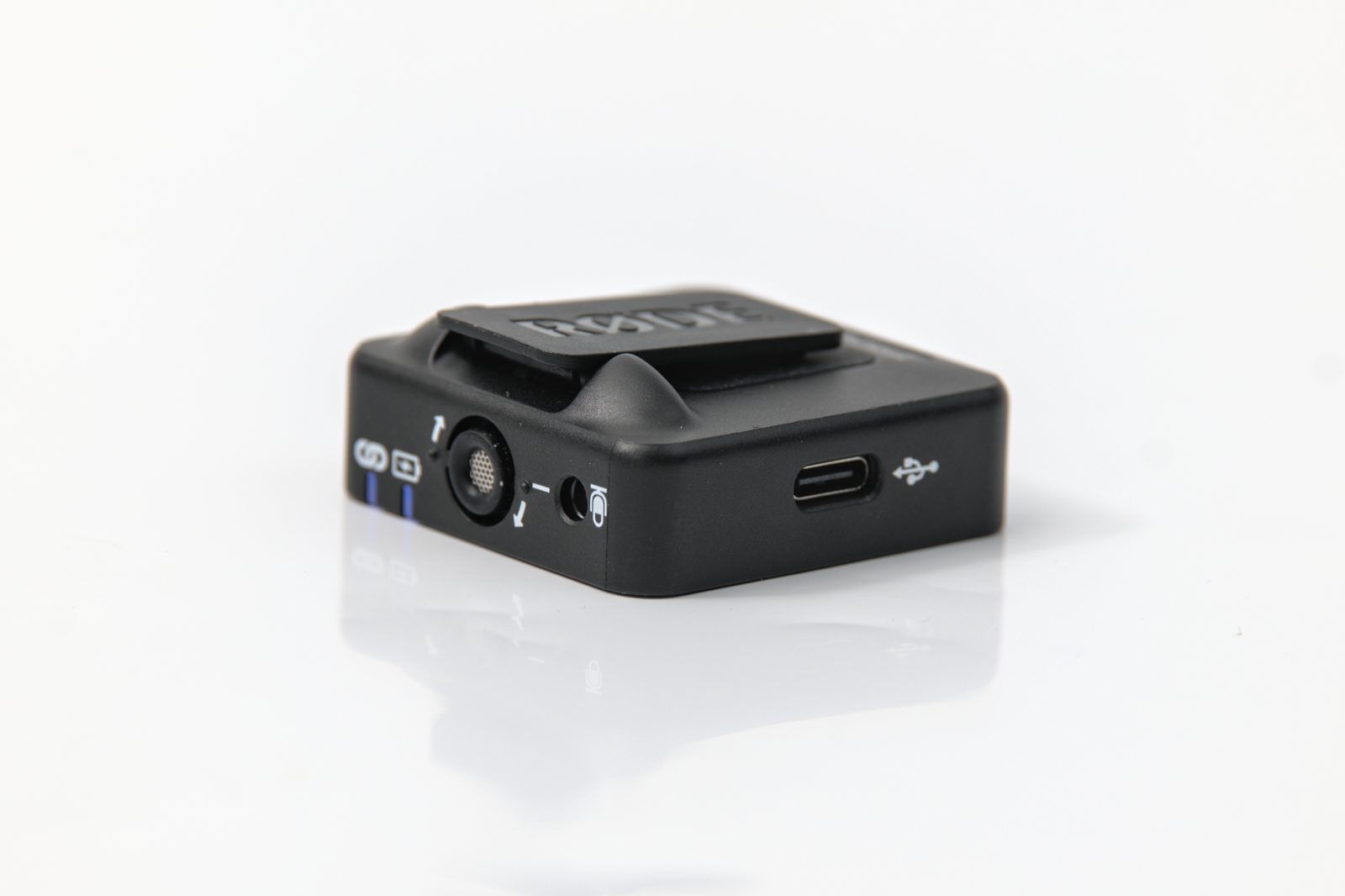
A microphone on a camera several rows away also hears wind, chairs, and a guest coughing. A filmmaker may place a small recorder or discreet mic on a speaker, take an approved feed from the venue's sound system, and record a second source for safety. The exact setup depends on your venue and ceremony. You do not need to know the gear model; you need to know who will be heard and what happens if one recording fails.
Ask these questions before signing
- Who will be mic'd for the ceremony: each partner, the officiant, or another speaker?
- How will you capture readings and music if those people move away from the main microphone?
- Do you record a backup audio source, and how do you monitor it?
- Will you take a sound-board feed for speeches, and what is the backup if the board is unavailable?
- Does the package include a full ceremony edit, or only short vow clips in a highlight?
A venue speaker system that sounds fine to guests does not automatically provide a clean recording. Ask your planner or venue contact to introduce the filmmaker to the person running sound. If your ceremony is outdoors, flag the wind and any restrictions on placing equipment. If your officiant has microphone preferences, connect them with the filmmaker in advance.
A small timeline adjustment with a big payoff
Leave time before guests arrive for a sound check. Share the order of service, names of readers, and any surprise speeches that can safely be disclosed. If a parent will speak unexpectedly, at least tell your filmmaker which microphone and location speeches will use. The sound check should not require you to perform your vows for the room; it is simply a way to avoid discovering a dead battery after the ceremony.
Clear audio can require extra equipment or editing. Ask whether those costs are included. If you are comparing video packages, weigh the quality of the sound plan alongside resolution and film length. Our guide to highlight films and full ceremony videos helps you choose the right deliverable, and the wedding cost estimator helps protect room in your budget for it.
The words you say might be imperfect. That is why they are yours. Give them the chance to be heard again.