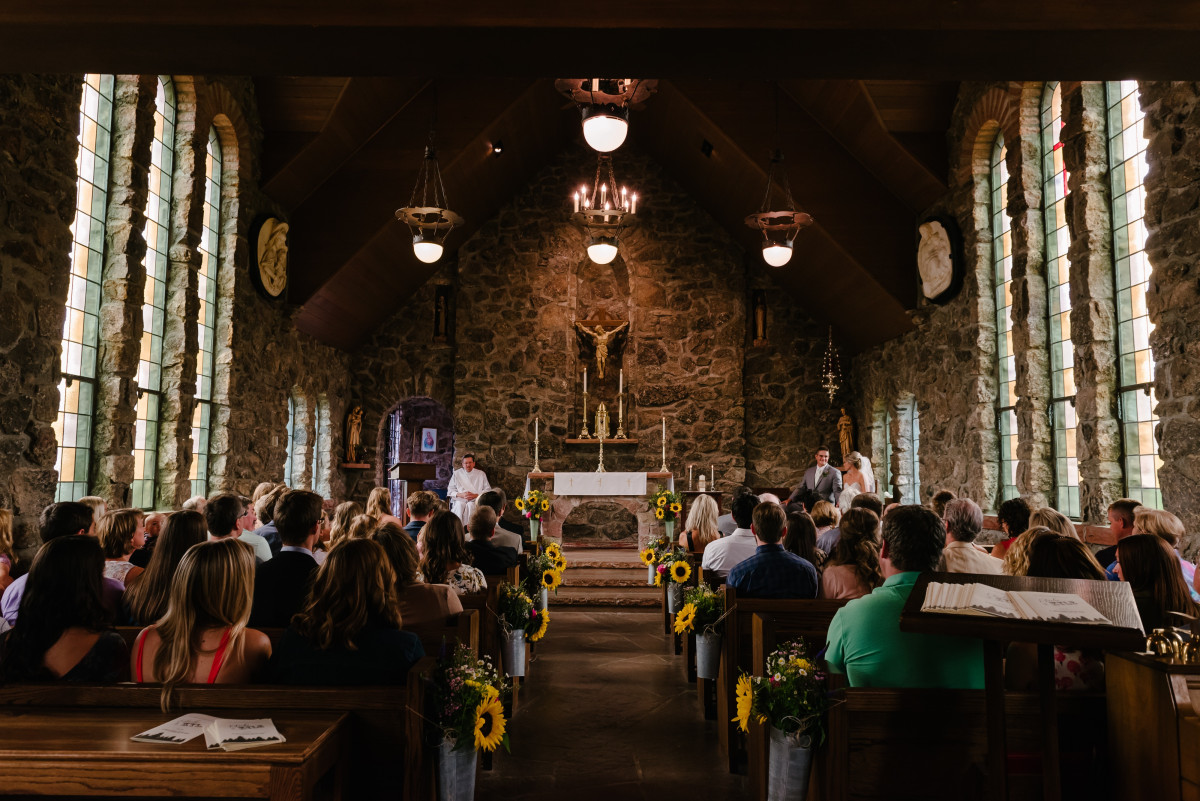
Do Weddings Start At The Time On The Invitation?
October 19, 2026 · Planning & Advice
Treat the invitation time as the ceremony start—not your parking time. Here is how to arrive comfortably early and how couples can make the schedule clear.
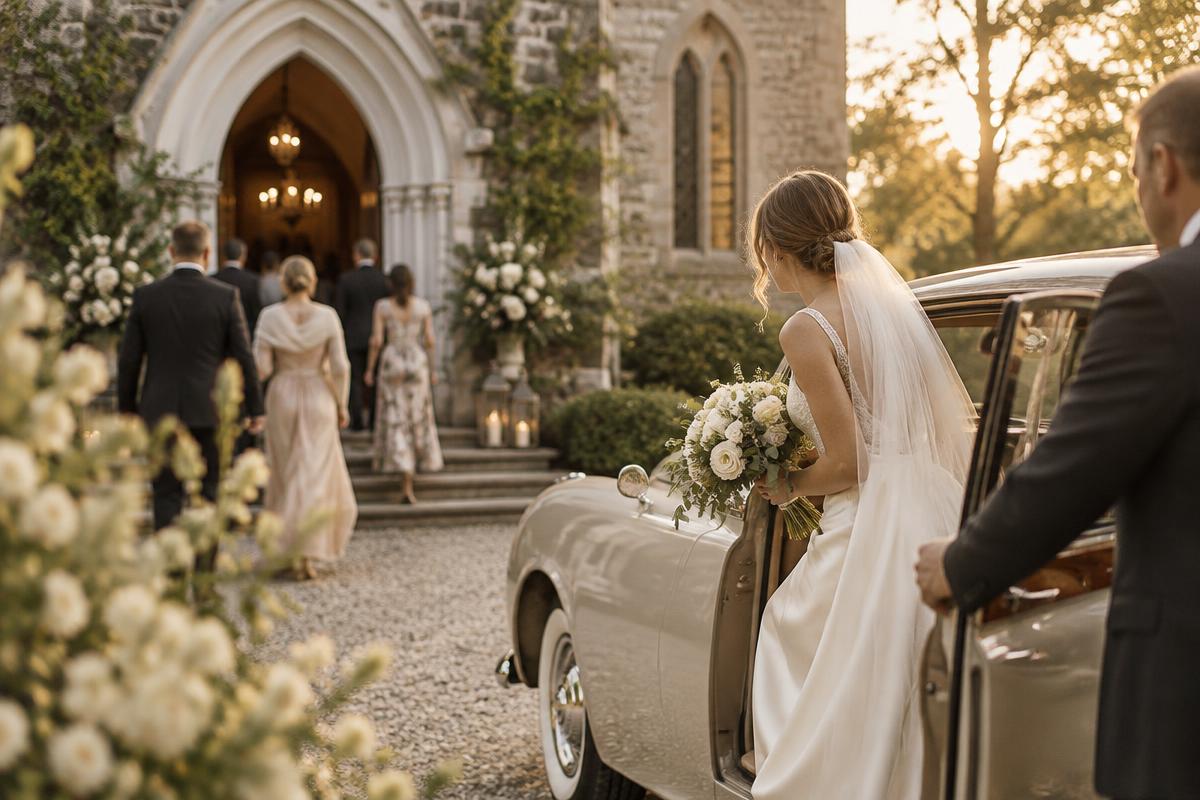
Do weddings start at the time on the invitation?
Usually, yes: unless the invitation gives separate arrival instructions, treat the printed time as the planned start of the wedding ceremony. That means you should be seated and ready by then, not pulling into the car park. Some ceremonies run a little behind schedule, but guests should never count on a delay.
A useful rule of thumb is to arrive about 15–30 minutes before the ceremony. Allow extra travel time for unfamiliar roads, parking, venue entrances and shuttle transfers. Wedding planner guidance explains that guests commonly arrive ahead of the stated time and warns that deliberately printing a much earlier start can leave punctual guests waiting unnecessarily. 2
What does the time on a wedding invitation mean?
The wording matters more than assumptions about what weddings “usually” do. Look for the event named next to the time:
- “Ceremony at 4 p.m.” means you should be in your seat before 4 p.m.
- “Please arrive at 3:30 p.m.; ceremony at 4 p.m.” gives you an explicit arrival window. Follow it.
- “Reception at 6 p.m.” means the reception begins then; it does not automatically invite you to an earlier ceremony.
- “Shuttle departs at 3 p.m.” means you need to be at the pickup point before departure, even if the ceremony starts later.
Check the wedding website or details card for parking directions, door-opening times and whether the ceremony and reception are at different locations. If instructions conflict, ask the couple or their designated contact ahead of the wedding day.
How early should you arrive at a wedding?
For a ceremony listed at 4 p.m., aiming to reach the venue around 3:30–3:45 p.m. is a practical example—not a promise that every venue will open that early. Use any arrival time the couple provides instead.
Build travel delays into your journey rather than expecting the ceremony to wait. If you arrive unusually early and the venue is still being set up, wait in a permitted area instead of entering the ceremony space. Likewise, an early arrival for a ceremony is not a reason to show up well before a reception-only invitation. Planners distinguish between arriving early for the ceremony and arriving too early for the reception. 1
What if you are running late?
Do not rush down the aisle or interrupt the processional. Ask an usher or coordinator where to wait and let them guide you to a seat at an appropriate moment. If the doors are closed, avoid opening them yourself. Silence your phone before entering, and save explanations or apologies for after the ceremony.
Should couples put an earlier time on the invitation?
Clear instructions are generally more helpful than a hidden buffer. If your ceremony is planned for 4 p.m., a straightforward option is:
Please arrive from 3:30 p.m. and be seated by 3:50 p.m. Ceremony begins at 4 p.m.
That wording is an example you can adapt after confirming when your venue can admit guests. Avoid printing 3:30 p.m. as the ceremony start if you actually intend to begin at 4 p.m.; guests who arrive early could spend a long time waiting. The Bubbly Soirée discusses the conflicting advice on padding invitation times and the effect on punctual guests. 2
Your private wedding-day schedule can still include realistic breathing room. Getting ready, photographs, transport and toasts may take longer than expected, so discuss buffers with your coordinator and vendors instead of relying on misleading invitation wording. 3
Does this apply to every wedding?
Not necessarily. Cultural traditions, religious services, multi-event celebrations and informal open-house receptions may have different timing expectations. An invitation saying “join us anytime between 2 and 5 p.m.” is different from a ceremony scheduled for 2 p.m. Follow the hosts’ specific instructions rather than treating one etiquette guideline as universal.
The bottom line
Do weddings start at the time on the invitation? You should plan as though they do. Arrive early enough to find your seat, follow any separate arrival or shuttle instructions, and do not assume the ceremony will be delayed.
Planning your own celebration? Use the Wedding Cost Estimator to explore your budget, then discuss arrival times and venue access with your coordinator. For more practical questions, visit the Wedding Planning Forum.